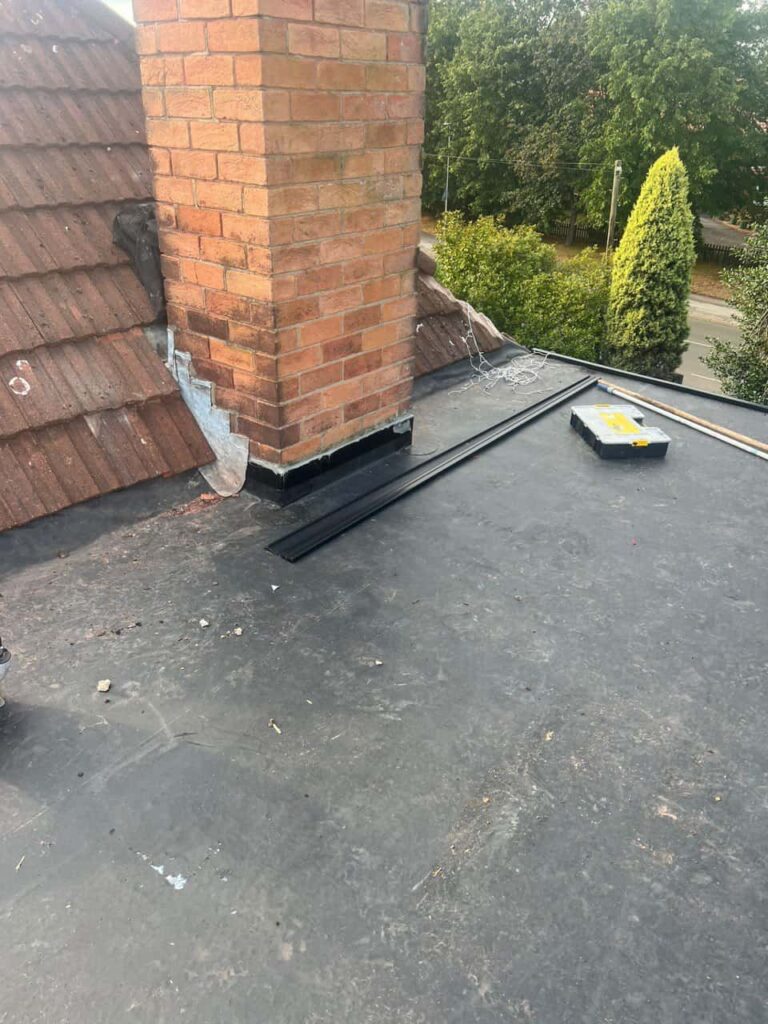
Roof damage does not always develop gradually. A roof that appeared perfectly serviceable can suddenly develop a problem following strong winds, heavy rainfall or the unexpected failure of an already weakened component. Missing tiles, active water ingress and loose roofing materials can all leave homeowners wondering whether the situation can wait or requires immediate professional attention.
The key difference between routine and emergency roof repairs is usually the level of immediate risk. If the damage is allowing significant water into the property, leaving part of the roof exposed or creating a risk of loose materials falling, prompt attention becomes particularly important.
For homeowners in Lutterworth, Leicestershire, recognising the warning signs can help you respond appropriately. Lutterworth Roofing Repairs can assess sudden roofing problems, identify the extent of the damage and determine the most suitable repair based on the condition found.
What Is Considered Emergency Roof Damage?
Not every roofing defect requires an emergency response. A minor issue that is stable and not allowing water into the property may be suitable for a planned repair.
Emergency attention becomes more relevant when delaying action could allow the situation to deteriorate quickly or leave the property vulnerable.
Signs That May Require Urgent Attention Include:
- Significant water entering the property
- Multiple missing or displaced roof tiles
- Loose roofing materials that could fall
- Large sections of roof covering becoming exposed
- Serious damage following strong winds
- Broken or unstable roof components
- Water entering close to electrical fittings
- Damage that is rapidly worsening during severe weather
If you are uncertain about the severity of the problem, a professional assessment can establish what actually needs to be done.
Why Can Roof Damage Appear So Suddenly?
Some roofing problems genuinely occur during a single weather event, while others have been developing unnoticed for some time.
A tile fixing may already be weakened before strong winds finally cause movement. Lead flashing may have been gradually deteriorating before prolonged rainfall reveals a leak. An ageing roof component can also reach the point where it can no longer perform reliably.
This means sudden symptoms do not necessarily have a sudden underlying cause.
1. Active Water Ingress Can Require Prompt Repairs
A small ceiling mark that has remained unchanged is different from water actively entering the property during heavy rainfall.
Where water is dripping, spreading across ceilings or entering the roof space in significant quantities, the source should be investigated promptly.
Active Leaks Can Originate From:
- Missing tiles
- Cracked roofing materials
- Damaged flashing
- Vulnerable roof junctions
- Ridge or verge damage
- Flat roof defects
- Problems around chimneys
Importantly, the location where water appears indoors may not be directly beneath the external defect.
Water can travel through the roof construction before becoming visible, which is why accurate leak diagnosis matters.
2. Missing Roof Tiles Can Leave the Roof Exposed
One missing tile does not automatically mean that the complete roof has suffered serious damage.
However, it can expose areas that would normally be protected from rainfall.
The urgency depends on the location of the missing tile, the condition beneath it and whether further poor weather is likely to place the exposed section under additional pressure.
If several tiles have disappeared or moved during the same event, the surrounding area should also be inspected.
3. Loose Roofing Materials Can Create an Immediate Concern
A roofing component does not need to have completely fallen away to require attention.
Loose tiles, ridge components or other materials can remain partially attached while being unstable.
This is particularly concerning following strong winds because further gusts may cause additional movement.
Warning Signs Can Include:
- Tiles visibly sitting out of position
- Ridge tiles appearing displaced
- Roofing debris around the property
- Components moving noticeably in windy conditions
- Sections of roof looking different following a storm
Avoid attempting to climb onto the roof to investigate these problems yourself.
4. Storm Damage Can Affect More Than One Part of the Roof
Following particularly stormy conditions, the first visible defect may not be the only one.
You might notice a missing tile from ground level while additional tiles have shifted slightly without falling away. Flashing, ridges and exposed roof edges may also have been affected.
A professional post-storm assessment should therefore consider the surrounding roof rather than simply replacing the most obvious damaged component.
5. Damage Around the Ridge Can Need Urgent Attention
The ridge occupies a highly exposed position on a pitched roof.
If ridge tiles or associated components become loose or displaced, the problem should not be ignored.
Aside from leaving vulnerable areas exposed to the weather, unstable components positioned high on the roof may create additional concerns if they become detached.
Professional inspection can determine whether the damage is isolated or whether adjoining sections also require attention.
6. Verge Damage Can Leave Roof Edges Vulnerable
Roof edges can experience considerable exposure during strong winds.
If materials around a verge become loose or damaged, wind and rain may gain greater access to areas that should remain protected.
A small amount of visible movement may also indicate that nearby components have been affected.
Repairing the damaged section correctly can help restore the integrity of the roof edge before further deterioration occurs.
7. Damaged Flashing Can Cause Sudden Leaks
Lead flashing protects important junctions where roofing materials meet other parts of the property.
When flashing becomes displaced, lifted or deteriorated, water can penetrate behind the surrounding roof covering.
Heavy or wind-driven rain can make these defects particularly noticeable.
Flashing Problems Commonly Become Apparent Around:
- Chimneys
- Roof-to-wall junctions
- Changes in roof level
- Other vulnerable roof details
Because these areas involve several materials meeting together, correct diagnosis is particularly important.
8. Flat Roof Damage Can Become Urgent Quickly
Flat roofing should also be checked when sudden water ingress develops.
Damage to the roof covering, joints or vulnerable details can allow rainfall to penetrate the construction.
A problem may be particularly noticeable after prolonged rainfall when water repeatedly reaches the weakened area.
If a flat roof suddenly begins leaking, the complete affected section should be assessed rather than relying on a quick surface patch without understanding the cause.
When Can a Roof Repair Usually Be Planned Rather Than Treated as an Emergency?
Some defects need attention but are not necessarily immediate emergencies.
For example, a minor localised issue may be suitable for a planned repair when:
- There is no active water ingress
- Roofing materials remain stable
- The problem is not rapidly worsening
- The roof remains substantially weather-resistant
- There is no obvious risk from loose components
However, roofing conditions can change, particularly during unsettled weather. If you are unsure whether a defect is stable, professional advice is preferable to waiting until the problem becomes more obvious.
What Should You Do If Water Is Entering the Property?
Your first priority should be dealing safely with the situation indoors while arranging professional roofing attention.
Where it is safe to do so, move belongings away from the affected area and use a suitable container to collect dripping water.
Do not attempt to access the roof during rain, strong winds or other unsafe conditions.
Useful Information to Note Includes:
- Where the water first appeared
- Whether it is dripping continuously
- How quickly the affected area is spreading
- Whether strong winds preceded the leak
- Whether roofing materials are visible on the ground
- Whether the roof had leaked previously
These observations can help when the roofing problem is assessed.
Why You Should Not Assume the Leak Is Directly Above the Damp Patch
Roof leaks can be deceptive.
After penetrating the external roof covering, water may travel along timbers, membranes or other components before reaching the ceiling.
As a result, repairing the area directly above an internal stain without investigating the surrounding roof may fail to resolve the actual defect.
Effective Leak Investigation Considers:
- The internal location of the water.
- The roof covering above and around it.
- Nearby junctions and flashing.
- Evidence of displaced materials.
- The direction of recent wind and rain.
- The overall condition of the surrounding roof.
Finding the route of water ingress is often more important than simply finding the wettest internal area.
Why Temporary Patching Is Not Always the Complete Solution
During an urgent situation, the immediate objective may be to prevent further water ingress or make an affected area safe.
However, temporary measures should not be confused with permanent repairs.
Once conditions allow, the underlying defect needs to be properly assessed and corrected.
Otherwise, the roof may appear satisfactory during dry weather only for the same problem to return during the next period of heavy rain.
Does Emergency Roof Damage Mean You Need a New Roof?
Not necessarily.
Sudden damage can look dramatic while remaining confined to a relatively small section of an otherwise serviceable roof.
Local Repairs May Be Appropriate When:
- Damage is limited to a small area
- Surrounding tiles remain sound
- The underlying roof remains serviceable
- Flashing damage is localised
- The problem has a clearly identifiable cause
A new roof becomes more relevant when an assessment reveals extensive deterioration across multiple areas rather than one isolated incident.
When Can Sudden Damage Reveal a Wider Roofing Problem?
Occasionally, severe weather exposes weaknesses across an ageing or deteriorating roof.
Several tiles may move simultaneously, multiple areas may begin leaking or previously repaired sections may start showing further problems.
Signs of a Wider Issue Can Include:
- Numerous loose or damaged tiles
- Leaks in several locations
- Repeated roofing problems
- Widespread deterioration of the roof covering
- Several roof details failing together
- Extensive movement following relatively ordinary weather
In these circumstances, repeatedly repairing individual symptoms may not provide the most appropriate long-term solution.
Why Professional Assessment Matters After Sudden Damage
The visible damage only tells part of the story.
A professional roofer can determine whether the problem is isolated, whether surrounding materials have also moved and whether water has found a route beneath the roof covering.
This assessment helps ensure that repairs address the actual problem without unnecessarily disturbing sound sections of the roof.
It also allows homeowners to understand whether they are dealing with a straightforward local repair or evidence of broader deterioration.
Avoid DIY Roof Access After Bad Weather
Sudden roof damage can understandably create a sense of urgency, but climbing onto the roof yourself can make the situation considerably more dangerous.
Wet roofing materials can be slippery, damaged components may be unstable, and strong winds can make working at height particularly hazardous.
Visual observations from a safe position can be useful, but detailed inspection and repair should be left to experienced roofing professionals.
Emergency Roof Repairs in Lutterworth
For homeowners in Lutterworth, Leicestershire, Lutterworth Roofing Repairs can assess sudden roofing damage and determine the most appropriate next step.
Whether the problem involves missing tiles, storm damage, active leaks, displaced flashing or another roofing defect, the priority is to understand the extent and cause of the problem.
Where damage is localised, targeted repairs can help restore the affected section while retaining surrounding roofing that remains serviceable. Where sudden damage has revealed broader deterioration, the overall condition of the roof can be considered before further work is recommended.
Conclusion
Sudden roof damage does not automatically constitute an emergency, but certain warning signs should be taken seriously.
Active water ingress, multiple missing tiles, exposed roof sections and loose roofing materials are all situations where prompt professional attention may be required. Stormy weather can also reveal weaknesses that were already developing, meaning the most obvious damage may not be the complete problem.
The safest approach is to avoid climbing onto a damaged roof and arrange an assessment when the condition appears unstable, water is entering the property or the extent of the damage is unclear.
If your roof in Lutterworth, Leicestershire has suffered sudden damage, Lutterworth Roofing Repairs can assess the affected area, identify the underlying problem and recommend suitable repairs based on the actual condition of your roof.
Call us on: 01455 242 599
Click here to find out more about Lutterworth Roofing Repairs
Click here to complete our contact form and see how we can help with your roofing needs.